Well Spacing & Waterflood Strategy Optimization
Related Services & Products
Project Summary
Subsurface Dynamics was tasked with determining the optimal horizontal well spacing and waterflood scenario for an undisclosed pool in the Montney Formation in Alberta. The operator had considered reducing well spacing and was looking to evaluate if reduced spacing would provide economic benefit.
Scope of Work
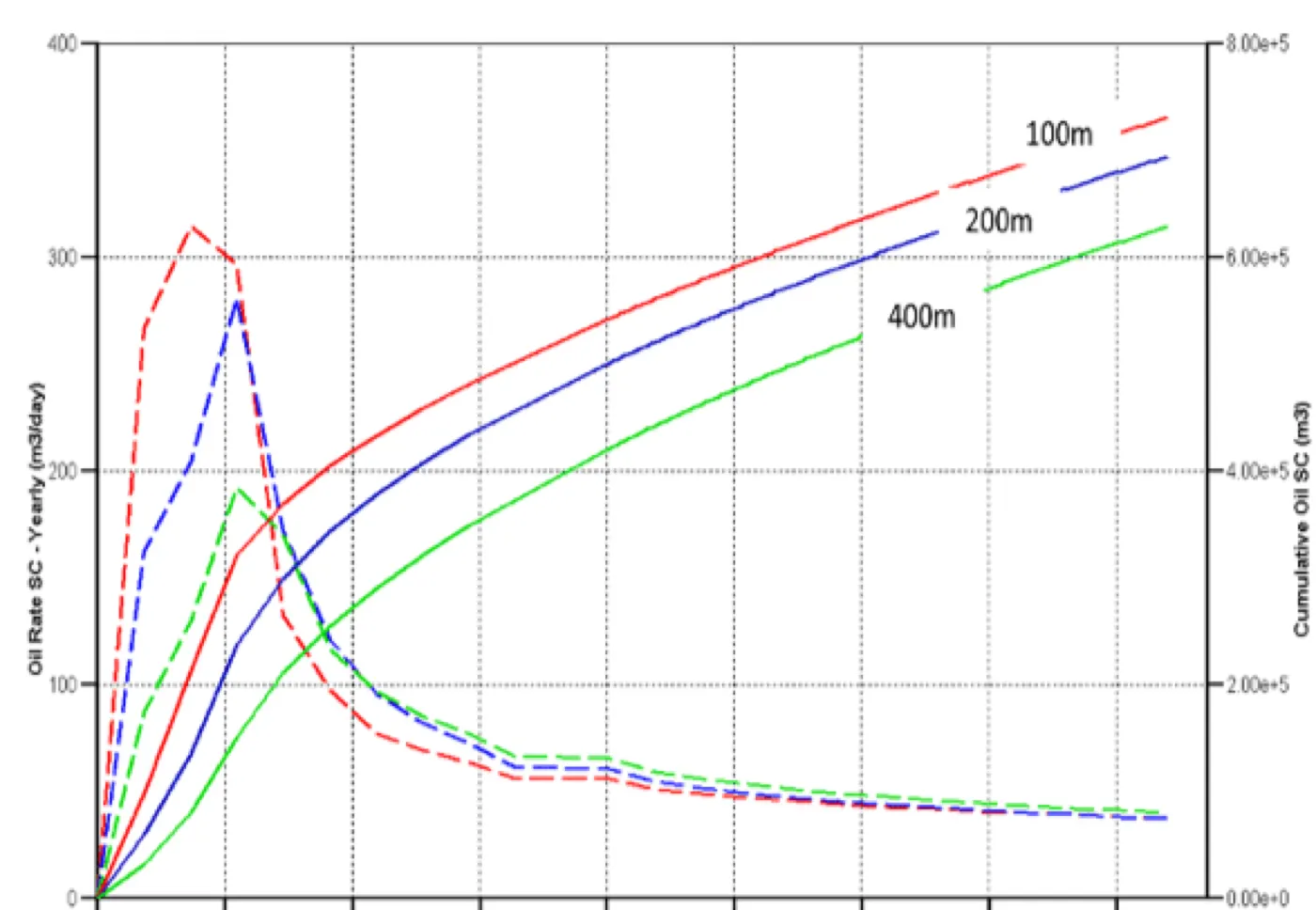
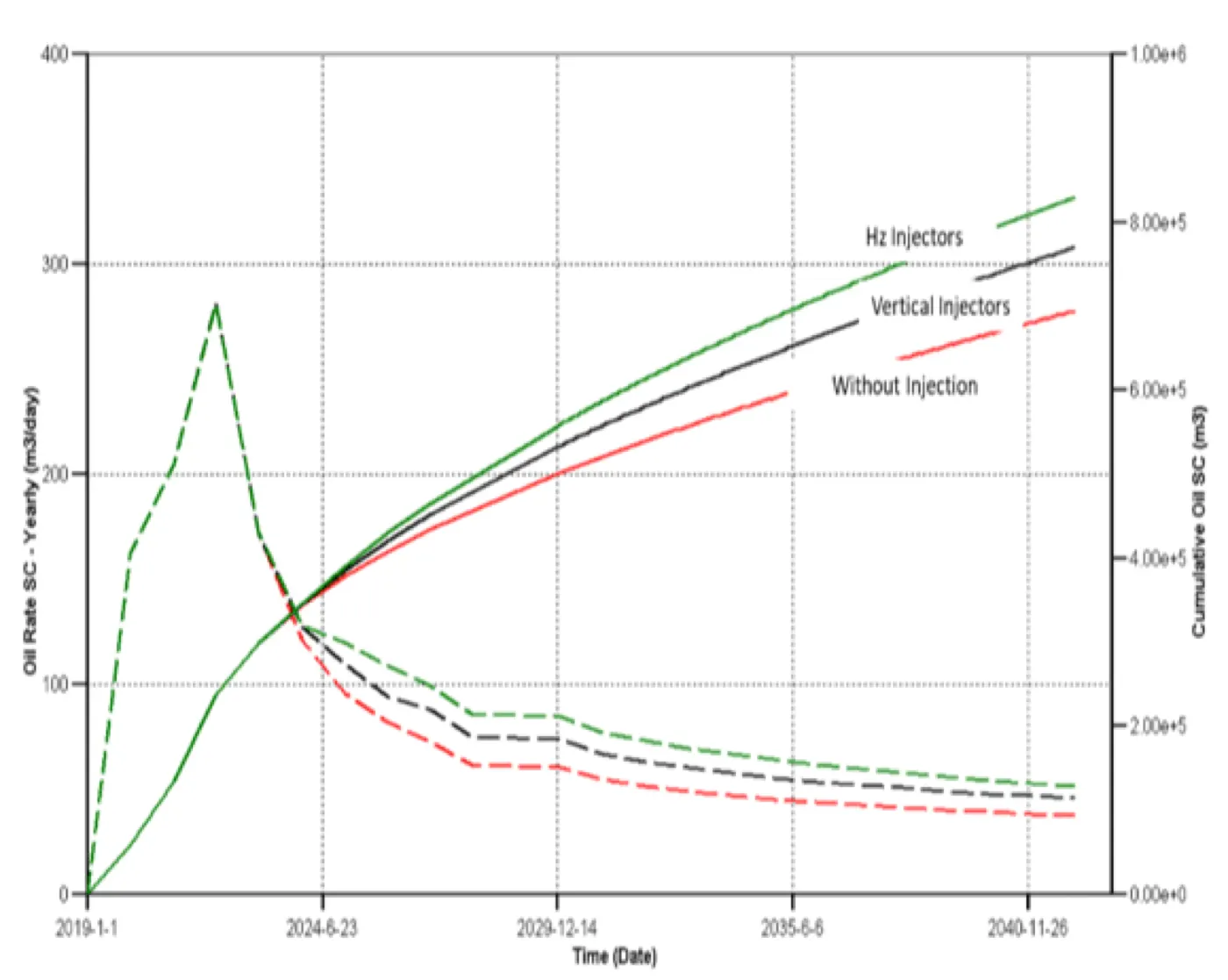
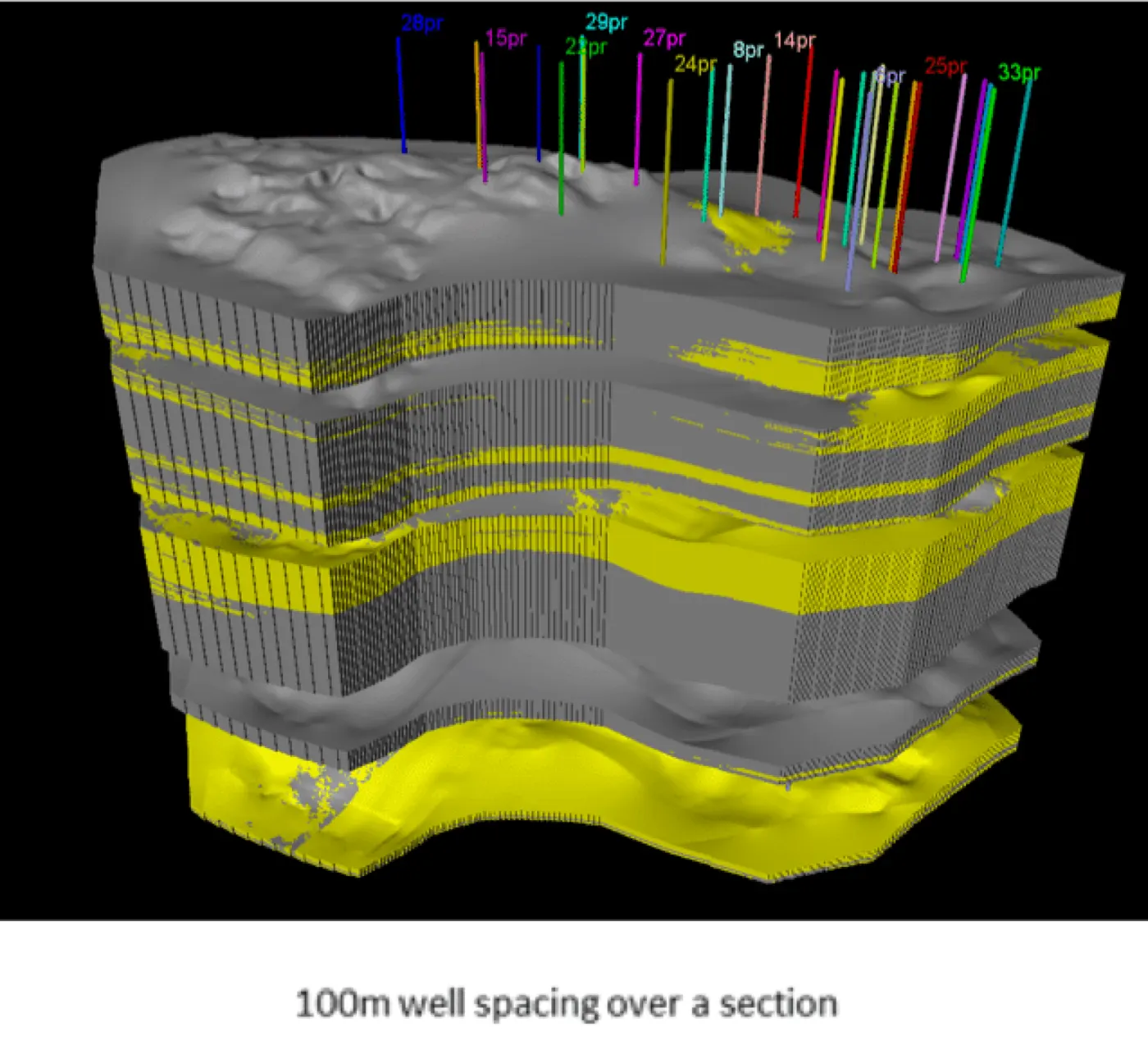
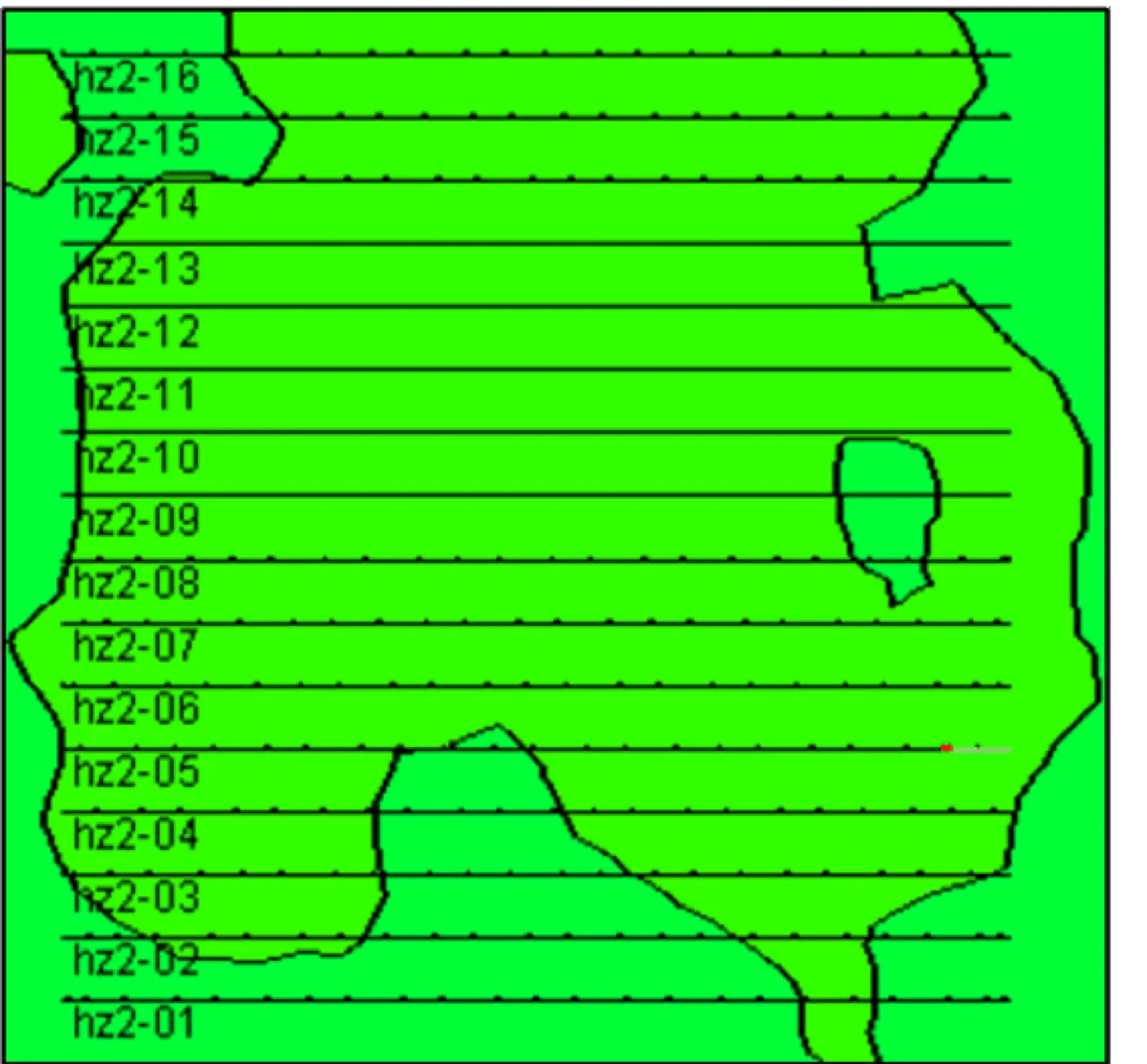
Using publicly available data and proprietary data from the client including expected completion characteristics, Subsurface Dynamics constructed a static and history matched dynamic model. Using the history matched model, well spacing was tested at 100m, 200m, and 400m. After determining optimal spacing, waterflood scenarios were tested including converting existing legacy vertical wells to water injectors, as well as using horizontal wells as water injectors.
Result
- It was determined that the optimal horizontal well spacing is 200m. Although closer spacing offered higher oil recovery, NPV was 14% greater as less capital expenditure would be required.
- Converting existing vertical wells to water injectors added an additional 10% incremental oil recovery, while converting some of the producing horizontal wells to water injectors after production had declined would result in 20% incremental oil recovery.